Travel Tip 2
Open networks can be an open invitation
Travel Tip 2
Open networks can be an open invitation
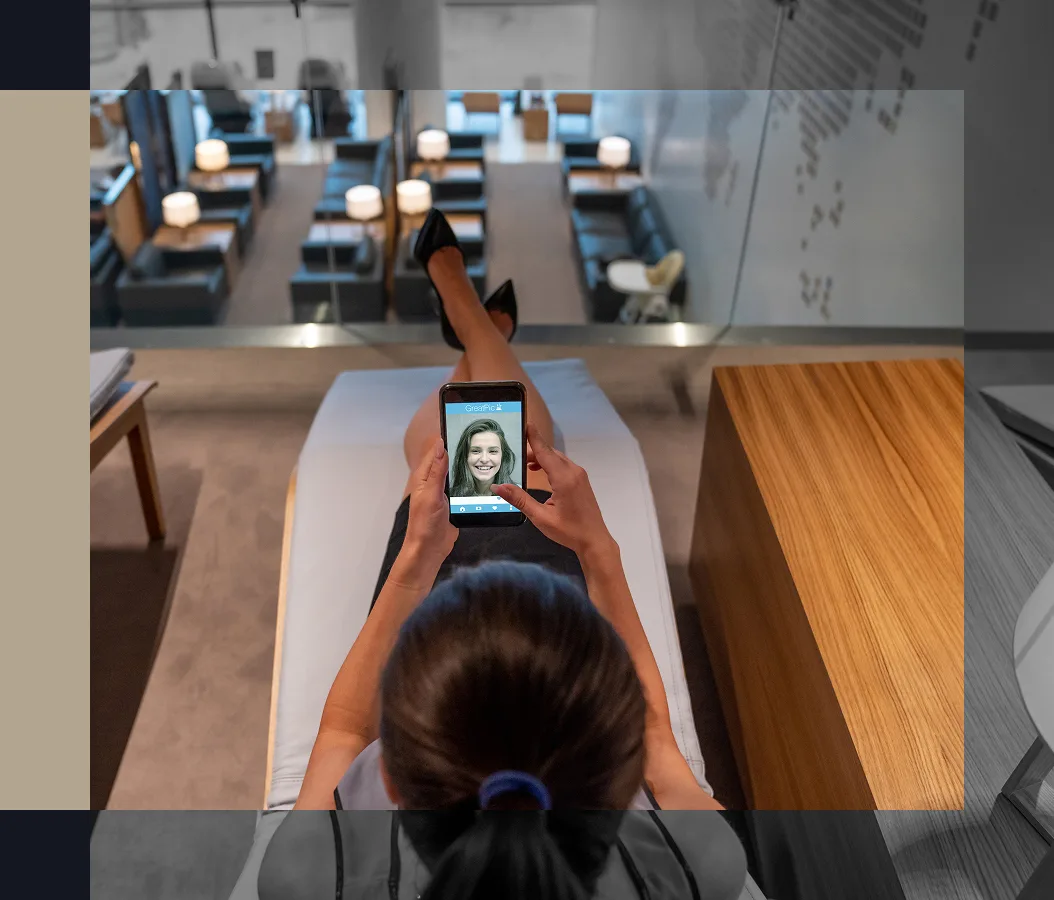
Whether you’re relaxing in a first-class lounge, staying in a luxury resort or waiting at a private terminal, public Wi-Fi carries risks.
Criminals can create fake networks with names almost identical to legitimate ones with names like Airport_Free_WiFi. Connect to one and everything you do flows through a stranger. They can read your messages, capture your passwords, and quietly follow you into your accounts weeks later.
Even premium hotels have experienced data breaches in recent years, so it’s important not to assume every network is secure.
Warning signs of fake Wi-Fi networks
- A network name that almost matches the venue’s official Wi-Fi, but not quite
- A login page that asks for personal details, a password, or an app install to connect
- A free, open network in a place that would normally be password protected
- Your device warning you that the network is unsecured
- Pages failing to load, or redirecting you somewhere unexpected
BlackCloak’s cybersecurity travel tips
- Ask staff for the exact name of the official network before you connect
- Use your mobile network or personal hotspot whenever possible
- If you must use public Wi-Fi, use a trusted VPN
- Never access banking or investment accounts over unsecured networks
- Turn off automatic Wi-Fi connections on your devices
Destination: Reality
In 2024, a man ran fake Wi-Fi networks at Australian airports and on domestic flights, harvesting travelers’ logins and private content as they connected mid-air. He was sentenced in late 2025 to more than seven years in prison.